Best Skincare Products 2026: Complete Beauty Guide for European Consumers
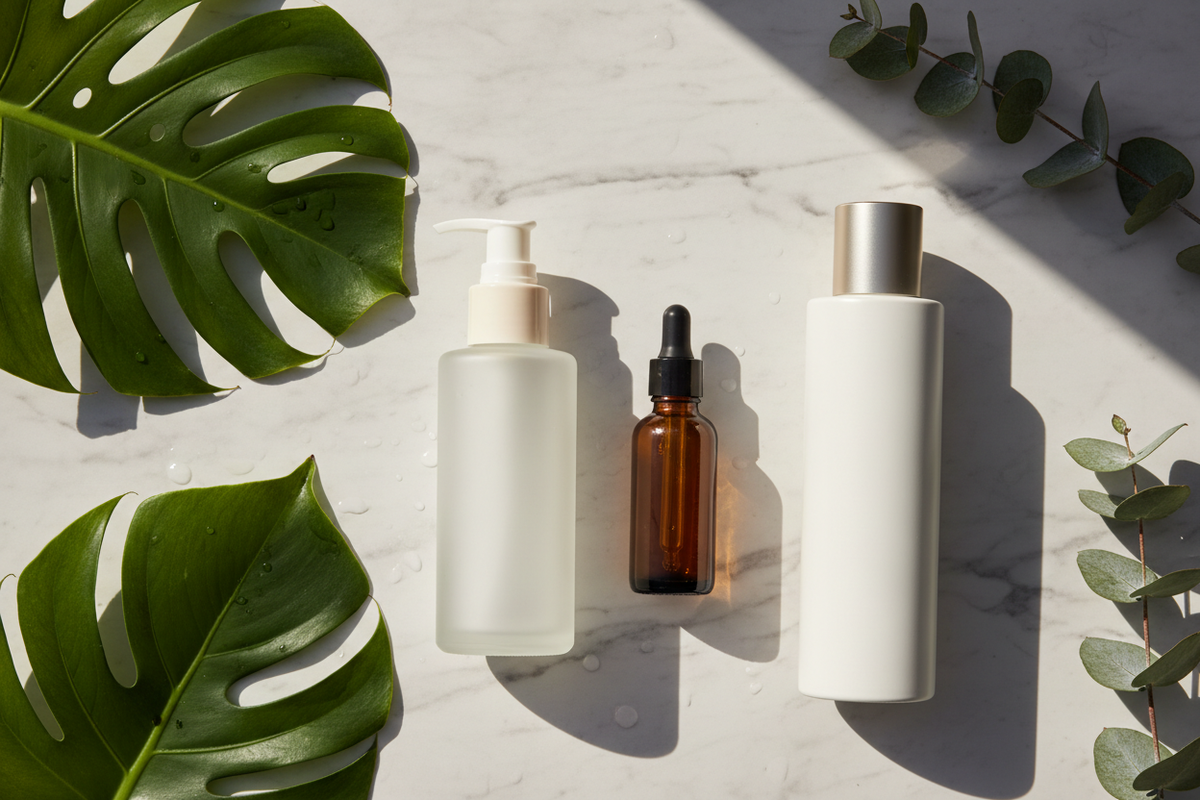
Best Skincare Products 2026: Complete Beauty Guide for European Consumers
If you're looking for the best skincare products in 2026, you're making one of the smartest investments in your long-term health and confidence. The European skincare market has never been more sophisticated — or more regulated. Thanks to the EU's strict cosmetic safety framework, consumers in Europe benefit from some of the highest product safety standards in the world. Whether you're building your first proper skincare routine or upgrading to more targeted, results-driven products, this guide covers everything you need to choose wisely, spend smartly, and see real results.
Why EU Cosmetic Regulations Matter for Your Skin
Before diving into product categories, it's worth understanding why buying skincare within the EU is a genuine advantage. The EU Cosmetics Regulation (EC) No 1223/2009 is one of the most comprehensive cosmetic safety frameworks in the world. It bans or restricts over 1,300 substances that are permitted in cosmetics sold in other markets — including the US, where only around 11 substances are banned.
What this means in practice:
- Every cosmetic product sold in the EU must be assessed by a qualified safety evaluator before it reaches shelves
- All ingredients must be listed on the label using standardised INCI (International Nomenclature of Cosmetic Ingredients) names
- Products must be notified to the EU's Cosmetic Products Notification Portal (CPNP) before sale
- Claims made on packaging (e.g. "clinically tested", "dermatologically approved") must be substantiated
For consumers, this means you can shop with confidence knowing that any skincare product sold through a legitimate EU retailer has passed rigorous safety checks — regardless of whether it's a budget cleanser or a premium serum.
Building Your Core Skincare Routine: The Essential Products
A complete skincare routine doesn't need to be complicated. The most effective routines are built on a small number of well-chosen products used consistently. Here are the core categories and what to look for in each:
Cleanser
The foundation of any routine. A good cleanser removes makeup, sunscreen, pollution, and excess sebum without stripping the skin's natural moisture barrier. Look for pH-balanced formulas (ideally pH 4.5–5.5, matching your skin's natural pH). Gel cleansers suit oily and combination skin; cream or oil cleansers work better for dry and sensitive skin. Avoid cleansers with high concentrations of sulphates (SLS/SLES) if you have sensitive or reactive skin.
Moisturiser
Non-negotiable for every skin type, including oily skin. A moisturiser maintains the skin barrier, prevents transepidermal water loss, and creates the foundation for a healthy complexion. Key ingredients to look for: hyaluronic acid (humectant — draws water into skin), ceramides (barrier repair), glycerin (lightweight hydration), and niacinamide (pore minimising, brightening, barrier-strengthening).
SPF (Sun Protection Factor)
The single most evidence-backed anti-ageing product available. Daily SPF use prevents UV-induced collagen breakdown, hyperpigmentation, and — most importantly — skin cancer. In the EU, SPF products are regulated as cosmetics (unlike in the US, where they are classified as drugs), which means a wider range of UV filters are approved, including newer-generation filters like Tinosorb S and M that offer superior broad-spectrum protection. Use SPF 30 minimum daily; SPF 50 for extended outdoor exposure.
Serum
Serums deliver concentrated active ingredients at higher percentages than moisturisers. The right serum depends on your primary skin concern: Vitamin C for brightening and antioxidant protection, retinol or retinoids for anti-ageing and cell turnover, AHA/BHA acids for exfoliation and texture, hyaluronic acid for deep hydration. Start with one active at a time to identify what works for your skin before layering.
Eye cream
The skin around the eyes is significantly thinner and more delicate than the rest of the face, making it more prone to fine lines, puffiness, and dark circles. A dedicated eye cream with peptides, caffeine, or retinol addresses these concerns more precisely than a standard moisturiser.
Skincare by Skin Type: Targeted Recommendations
The most effective skincare is personalised. Here's a quick guide to the key considerations by skin type:
Oily and acne-prone skin
Focus on non-comedogenic (won't clog pores) formulations. Key ingredients: niacinamide (regulates sebum), salicylic acid (BHA — exfoliates inside pores), zinc (anti-inflammatory). Avoid heavy occlusive moisturisers; opt for lightweight gel or fluid textures. Don't skip moisturiser — dehydrated skin overproduces sebum to compensate.
Dry and dehydrated skin
Prioritise barrier repair and hydration. Key ingredients: ceramides, hyaluronic acid, squalane, shea butter. Use a richer cream moisturiser, especially at night. Consider a hydrating toner or essence as an additional hydration step. Avoid alcohol-heavy formulas and over-exfoliation.
Sensitive and reactive skin
Simplify your routine — fewer products means fewer potential irritants. Key ingredients: centella asiatica (cica), allantoin, panthenol, oat extract. Avoid fragrance (both synthetic and natural), essential oils, and high concentrations of actives. Patch test every new product before full application.
Combination skin
The most common skin type in Europe. Focus on balance — lightweight hydration for the whole face, with targeted treatment for the T-zone (forehead, nose, chin). Niacinamide is particularly effective for combination skin, addressing both oiliness and dryness simultaneously.
Mature skin
Prioritise collagen support and cell turnover. Key ingredients: retinol or retinoids (the most evidence-backed anti-ageing ingredient available), peptides, Vitamin C, and rich moisturisers with ceramides. Daily SPF is non-negotiable — UV damage is the primary driver of visible skin ageing.
Understanding Skincare Labels: What to Look For (and Avoid)
EU regulations require full ingredient disclosure on all cosmetic products, listed in descending order of concentration. Here's how to read a label effectively:
- First 5 ingredients — these make up the bulk of the formula; this is where the key actives and base ingredients are
- "Fragrance" or "Parfum" — a catch-all term that can include dozens of undisclosed compounds; a common irritant for sensitive skin
- Preservatives — necessary for product safety; EU-approved preservatives like phenoxyethanol are safe at regulated concentrations
- Concentration matters — an ingredient listed near the end of a long formula is present at very low concentration and may have limited efficacy
- "Natural" and "organic" claims — not regulated terms in the EU; look for certified organic logos (COSMOS, Ecocert) if this is a priority for you
Buying Tips: How to Build Your 2026 Skincare Routine
Before adding to cart, work through this checklist:
- Identify your skin type and primary concern — this determines which actives and textures to prioritise
- Start simple — cleanser, moisturiser, and SPF is a complete routine; add actives one at a time
- Check the INCI list — look for key actives in the first half of the ingredient list
- Avoid fragrance if you have sensitive skin — it's the most common cause of cosmetic reactions
- Patch test new products — apply to the inner arm for 24–48 hours before using on your face
- Give products time to work — most actives require 4–8 weeks of consistent use before results are visible
- Check the PAO (Period After Opening) — the open jar symbol on packaging indicates how many months a product is safe to use after opening
- Buy from authorised EU retailers — guarantees EU safety compliance and a minimum 2-year warranty on any defective products under EU consumer law
A complete beauty routine goes beyond skincare. If you're building your full personal care collection, our guide to the best women's perfumes in 2026 and our best hair dryers and styling tools guide cover two more essential categories to complete your routine.
Conclusion: Invest in Your Skin in 2026
The best skincare products in 2026 combine cutting-edge ingredient science with the rigorous safety standards that make the EU one of the best places in the world to be a beauty consumer. Whether you're starting from scratch or refining a routine you've built over years, the key is consistency, patience, and choosing products formulated for your specific skin type and concerns.
Browse our full range of skincare products at OnlineStore24.eu — with fast delivery across Europe, EU-regulated products, and detailed ingredient information to help you build a routine that genuinely works. Your skin is a long-term investment. Treat it accordingly.
And if you're shopping for a complete personal care upgrade, don't miss our men's fragrance guide 2026 — the perfect finishing touch to any grooming or gifting routine.