Best Smart Irrigation Systems 2026: Automated Garden Watering for Europe
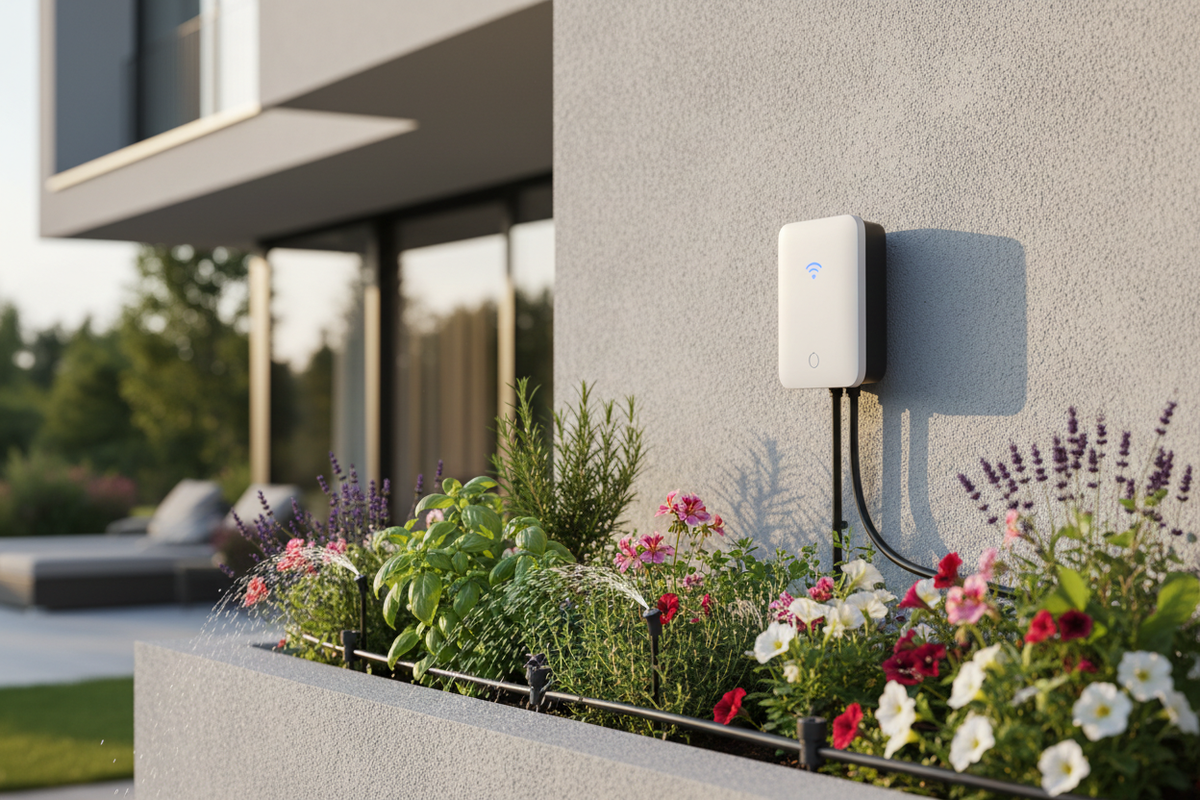
Best Smart Irrigation Systems 2026: Automated Garden Watering for Europe
Keeping a garden healthy across Europe's varied climates — from the wet winters of the Netherlands to the dry summers of Spain and Italy — has always required careful attention to watering. In 2026, smart irrigation systems take the guesswork out of garden care entirely. By combining weather data, soil sensors, and smartphone control, these systems water your garden precisely when and where it's needed, saving water, reducing bills, and keeping plants thriving year-round. This guide covers everything European homeowners and garden enthusiasts need to know to choose the best smart irrigation system.
Why Smart Irrigation Makes Sense in Europe
Water conservation is an increasingly pressing issue across Europe. Prolonged summer droughts in southern and central Europe, combined with rising water tariffs in many EU countries, make efficient irrigation not just convenient but economically and environmentally essential. Smart irrigation systems address this directly:
- Weather-based scheduling: Smart controllers connect to local weather forecasts and automatically skip or adjust watering cycles when rain is expected — eliminating the waste of watering before a downpour.
- Soil moisture sensing: Advanced systems use in-ground sensors to measure actual soil moisture levels, watering only when the soil genuinely needs it rather than on a fixed timer.
- Water usage monitoring: Track exactly how much water your garden consumes, with detailed reports accessible via smartphone app.
- Remote control: Start, stop, or adjust watering schedules from anywhere — useful when you're on holiday and the weather unexpectedly turns dry.
- Zone management: Divide your garden into multiple zones (lawn, flower beds, vegetable patch, pots) and apply different watering schedules and durations to each.
Studies across EU member states suggest smart irrigation can reduce garden water consumption by 30–50% compared to traditional timer-based systems — a meaningful saving both financially and environmentally. For a broader look at how smart irrigation fits into a connected home, see our Smart Home Devices Guide 2026.
EU Compatibility & Regulations
Before purchasing a smart irrigation system, European buyers should verify several compatibility and compliance factors:
Voltage & Plug Standards
Smart irrigation controllers are typically mains-powered (for the main unit) and use low-voltage DC to power solenoid valves. Ensure the controller supports 220–240V AC (standard across Europe) and uses the correct EU plug (Type C, E, or F — Schuko). Devices sold through authorised EU retailers will include the appropriate adapter. Avoid importing controllers designed for the North American market (110–120V), as they require a voltage converter and may not meet EU safety standards.
CE Marking & Radio Equipment Directive
Wi-Fi and Bluetooth-enabled irrigation controllers must carry the CE mark and comply with the EU Radio Equipment Directive (RED) 2014/53/EU. This ensures the device's radio transmissions don't interfere with other equipment and meet EU electromagnetic compatibility (EMC) standards.
Water Regulations
Several EU countries have specific regulations governing garden irrigation, particularly during drought periods. France, Spain, and Italy have introduced seasonal water use restrictions in recent years. A smart irrigation system with weather-based scheduling and usage monitoring makes it significantly easier to comply with local water use rules and demonstrate responsible consumption.
GDPR Compliance
Smart irrigation controllers that connect to cloud services and collect usage data must comply with GDPR. Look for manufacturers with EU-based data processing or clear privacy policies. This is a lower-risk category compared to cameras or audio devices, but it's still worth verifying for any cloud-connected product.
Key Features to Look for in a Smart Irrigation System
Number of Zones
The number of independently controllable zones is one of the most important specifications. Entry-level controllers typically support 4–8 zones, while mid-range and premium models support 12, 16, or even more. Count your existing valve circuits (or plan your garden layout) before buying. It's generally better to buy a controller with more zones than you currently need, as gardens tend to expand.
Weather Intelligence
Look for controllers that use hyperlocal weather data — pulling forecasts from a nearby weather station rather than a regional average. The best systems combine forecast data with historical evapotranspiration (ET) rates to calculate precise watering needs for your specific plants and soil type. Some premium models support an optional rain sensor or soil moisture sensor for even greater accuracy.
Connectivity
- Wi-Fi: The most common connectivity type, enabling remote access via smartphone app and weather data integration. Ensure your garden has adequate Wi-Fi coverage — a mesh network extender may be needed for larger properties.
- Bluetooth: Suitable for smaller systems where local control is sufficient, but limits remote access without a hub.
- Wired (no connectivity): Traditional timer controllers without smart features — not recommended if you want the water-saving benefits of weather-based scheduling.
App Quality & Language Support
The companion app is your primary interface for scheduling, monitoring, and adjusting your irrigation system. Look for apps with intuitive zone management, clear water usage reporting, and support for your language — Spanish, Dutch, French, German, Italian, and other EU languages are offered by most major brands. Check recent app store reviews to assess reliability and update frequency.
Smart Home Integration
Many smart irrigation controllers integrate with Google Home, Amazon Alexa, or Apple HomeKit, enabling voice control and cross-device automations. For example, you could link your irrigation system with your smart thermostat to coordinate outdoor and indoor climate management, or use smart plugs to automate ancillary garden equipment like pond pumps or outdoor lighting on the same schedule.
Types of Smart Irrigation Systems
Smart irrigation comes in several formats to suit different garden types and budgets:
- Smart sprinkler controllers (retrofit): Replace your existing dumb timer with a Wi-Fi-enabled smart controller that connects to your existing in-ground valve system. This is the most cost-effective upgrade for gardens that already have an irrigation infrastructure. Prices typically range from €80–€200 for the controller unit.
- Drip irrigation kits with smart control: Ideal for raised beds, vegetable gardens, and potted plants. These systems deliver water directly to the root zone via drip emitters, minimising evaporation. Smart drip kits with app control are available from around €60–€150 for a starter set.
- Hose tap timers (smart): The simplest entry point — a smart timer that attaches directly to an outdoor tap and controls a single hose or drip line. Prices start from around €30–€80. Ideal for renters, balcony gardens, or small plots without underground infrastructure.
- Full smart irrigation systems: Complete systems including controller, valves, pipes, drip emitters, and sensors, designed for new installations. These offer the most flexibility but require more planning and installation effort.
Smart Buying Tips for European Gardeners
- Map your garden zones first: Before buying, sketch your garden and identify distinct watering zones (lawn, beds, pots, vegetables). This determines how many zones your controller needs and what type of emitters are appropriate for each area.
- Check valve compatibility: If retrofitting, confirm the smart controller is compatible with your existing solenoid valves. Most European systems use 24V AC valves, but verify before purchasing.
- Invest in a rain sensor: Even if your controller has weather-based scheduling, a physical rain sensor provides an additional layer of protection against unnecessary watering during or immediately after rainfall. Many are available for under €30 and connect easily to most smart controllers.
- Consider water pressure: Drip systems and sprinklers have different pressure requirements. Check your mains water pressure (typically 2–6 bar in European homes) against the system's specifications. A pressure reducer may be needed for drip systems.
- Plan for winter: In northern and central Europe, irrigation systems must be winterised (drained and shut down) before the first frost. Choose a system with a clear winterisation procedure and, if possible, a blow-out port for compressed air drainage.
- EU warranty: EU consumer law guarantees a minimum 2-year warranty. Buy from authorised EU retailers to ensure coverage and avoid grey-market imports that may lack CE marking.
Conclusion: Water Smarter, Not More
A smart irrigation system is one of the most impactful upgrades a European homeowner or gardener can make in 2026 — both for plant health and for responsible water use. Whether you start with a simple smart hose tap timer or invest in a full multi-zone controller with soil sensors and weather intelligence, the return on investment in water savings, plant health, and convenience is clear.
Prioritise CE certification, weather-based scheduling, adequate zone capacity for your garden, and compatibility with your existing smart home ecosystem. As water costs and conservation pressures continue to rise across Europe, a smart irrigation system pays for itself faster than almost any other garden investment.
Ready to automate your garden watering? Browse our full range of smart irrigation systems and garden technology at onlinestore24.eu — with fast EU-wide shipping and all prices in euros.
Meta description: Discover the best smart irrigation systems for European gardens in 2026. Automated watering, EU compatibility, water-saving tips & buying guide.